How to Choose the Right AI Tool
Learn how to choose the perfect AI tool as a beginner. My personal experience, practical tips, and step by step guidance will help you pick the right AI software for your creative and professional projects.

Key Points to Choose the Right AI Tool
AI tools can be overwhelming for first time users, but choosing the right one can save hours of frustration.
Focus on goal clarity before testing tools.
Hands on testing reveals which tool fits your workflow best.
Beginners need to balance learning curve, output quality, cost, and usability.
Mistakes and lessons learned are as important as successes.
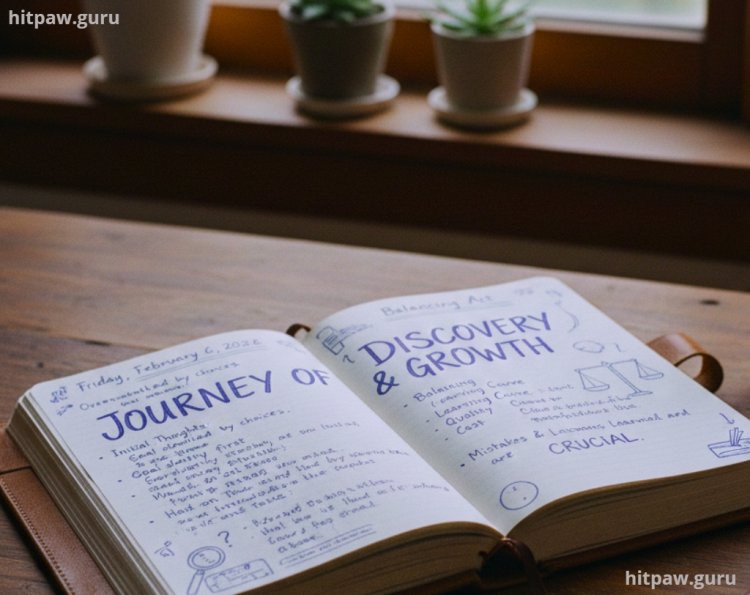
Why I Needed to Learn How to Choose the Right AI Tool
When I first explored AI tools, I felt completely lost. Everything looked impressive online: AI image generators, writing assistants, video enhancers, voice synthesizers… the list seemed endless. I downloaded a few, started testing, and almost immediately hit frustration.
Some tools required technical knowledge I didn’t have, some produced outputs that didn’t match my expectations, and others had confusing interfaces. I was wasting hours, sometimes days, just trying to figure out which tool to commit to.
This frustration taught me one important lesson: selecting the right AI tool is more crucial than mastering all the features of a tool at once. Without picking the tool that fits your workflow and goals, productivity plummets, and learning slows down.
Care Table
|
Task |
Frequency |
Notes |
|
Review updates |
Monthly |
AI tools release new features often |
|
Test presets |
Weekly |
Ensures outputs remain consistent |
|
Document settings |
After every session |
Helps repeat successful results |
|
Backup projects |
After every session |
Protects work from accidental loss |
Tools I Used
Before diving into AI tools, I gathered the essentials for testing and experimenting:
AI Tools Tested: MidJourney, DALL·E, ChatGPT, Runway, Jasper AI
Hardware: Windows 11 PC, 16GB RAM, NVIDIA RTX 3060 GPU
Supporting Software: Photoshop, OBS Studio, Canva
Materials: Sample projects, inspiration boards, reference prompts, workflow templates
By preparing in advance, I was able to conduct tests efficiently and compare tools fairly.
Step by Step Guide to Choosing the Right AI Tool
Step 1: Define Your Goals
I started by asking myself: “What exactly do I want this AI tool to help me accomplish?” Without clear goals, testing is wasted effort.
I created a list:
Generate realistic images
Produce text for blogs or marketing
Enhance or edit videos
Automate repetitive creative tasks
This helped me filter out tools that weren’t relevant. For example, using DALL·E for video editing is pointless, while Runway excels at video enhancement.
Pro Tip: Write down goals in a notebook or spreadsheet. Seeing them clearly prevents wasted trial and error.
Step 2: Explore Free Trials and Demos
I tested multiple AI tools using free trials before paying anything. This saved money and allowed me to evaluate usability.
MidJourney: Easy for beginners, produces artistic image outputs
Runway: Powerful for video noise reduction and editing
ChatGPT: Excellent for text generation and brainstorming
Jasper AI: Ideal for copywriting and marketing content
Lesson: Never pay for a tool without exploring its free or trial version first.
Step 3: Evaluate Interface and Ease of Use
A beginner friendly interface is vital. I found some tools intimidating because of too many options.
MidJourney uses Discord, which is simple for generating images via text commands.
Runway had many advanced options, which made it overwhelming initially.
ChatGPT is straightforward; type your request and get results immediately.
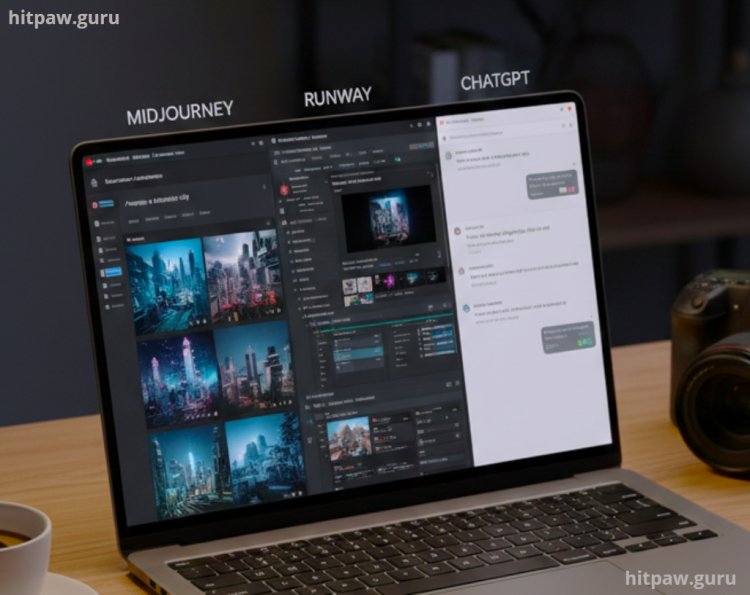
Tip: If a tool is too complex at first, check tutorials or starter guides. Sometimes simplicity beats complexity for beginners.
Step 4: Compare Cost vs. Value
I analyzed subscriptions and free tier limitations. Some AI tools are expensive, but you might not need all features as a beginner.
Example: I initially paid $240/year for a video AI tool but only used it a few times. Later, I realized the free versions or basic plans were sufficient for early learning.
Advice: Test first, then invest. Consider both monthly and yearly pricing.
Step 5: Assess Output Quality
I ran the same prompts across multiple tools to see which gave the best output.
Example Prompt: “Generate a futuristic cityscape at sunset”
MidJourney: Artistic, cinematic
DALL·E: Colorful, slightly unrealistic
Runway: Works for video frames only, not static images
After testing, I chose MidJourney for static images and Runway for video. Matching the tool to the task improved results and efficiency.
Step 6: Consider Learning Curve
Some AI tools take longer to learn. I tracked the time it took to feel comfortable with each:
MidJourney: 2 to 3 hours for basic use
Runway: 5 to 6 hours to navigate advanced features
ChatGPT: Almost immediate usability
Tip: Beginners should start with tools that have a gentle learning curve. Master one before moving on.
Step 7: Test Workflow Integration
An AI tool must work with your current software and processes. I asked:
Can outputs be exported easily?
Are file formats compatible with Photoshop, Premiere, or Canva?
Does the tool run smoothly on my hardware?
Example: Runway exports MP4 files ready for editing, while MidJourney images can be directly imported into Canva.
Step 8: Learn From Mistakes
Mistake 1: Ignored file format compatibility.
Result: Wasted hours converting files.
Fix: Check integration before committing.
Mistake 2: Chose tool with a steep learning curve for a small project.
Result: Delayed deadlines.
Fix: Start with beginner friendly tools first.
Mistake 3: Paid subscription before testing.
Result: Money wasted.
Fix: Always trial before purchase.
Mistakes are inevitable but invaluable for learning.
Step 9: Create a Shortlist
After testing, I narrowed down my options:
MidJourney: Best for images, beginner friendly
Runway: Best for video AI, requires some learning
ChatGPT: Best for text generation, immediate productivity
Focusing on a shortlist avoids overwhelming options and speeds up learning.
Practical Feedback
Testing multiple tools saves future headaches.
Document settings, prompts, and outputs for reference.
Using multiple tools is fine, but one at a time ensures better mastery.
Mistakes provide lessons faster than successes.
Tips From My Experience
When starting with AI tools, always begin with small, simple projects before tackling anything complex. I learned the hard way that jumping straight into advanced features can lead to confusion and wasted time. Take notes as you experiment, and don’t hesitate to revisit tutorials or guides even ones you think you already know.
Another tip: keep backups of all your work. AI tools are powerful, but mistakes or unexpected errors can happen, and having a copy saved can save you hours of frustration.
Lastly, spend time customizing the tool settings to fit your workflow. Even small adjustments can drastically improve efficiency and output quality, saving both time and effort in the long run.
Wrapping it up
If I could go back, I’d tell myself to start slow and take the time to truly understand each AI tool before diving into complex projects. Don’t rush to use every feature at once focus on mastering the basics first. Making small mistakes early on is okay because each one teaches you something valuable and prevents bigger problems later.
I’d also remind myself to document every experiment, note what worked and what didn’t, and keep backups of all projects. This habit not only protects your work but also helps you track progress and refine your workflow over time.
Most importantly, patience and consistent practice matter more than trying to do everything perfectly from the start. Embrace learning as a step by step journey, and don’t be afraid to explore new tools, but always prioritize understanding over speed.
Frequently Asked Questions
1. Do beginners need expensive AI tools?
No. Free or basic tier tools are usually enough to start and produce high quality outputs.
2. How do I decide which AI tool is right?
Define your goals, test free versions, assess learning curve, check workflow integration, and evaluate output quality.
3. Can I switch tools later?
Yes, but starting with one tool ensures faster learning and better results.
4. How long does it take to get comfortable with a tool?
2 to 6 hours for basic tasks, depending on complexity.
5. Should I focus on multiple tools simultaneously?
No. Master one tool first, then expand gradually.
6. Are presets useful for beginners?
Yes, presets provide a baseline and save experimentation time.
What's Your Reaction?