Essential Skills for Remote Work
Discover the essential skills I learned for successful remote work, including self discipline, communication, time management, technical competency, adaptability, and work life balance. Practical tips, real life examples, and tools I personally used to stay productive.
My Journey Into Remote Work
When I first started working remotely, I had no idea how different it would be from a traditional office setup. At first, I was thrilled no commute, flexible hours, and the promise of working in my pajamas. But soon, I realized that remote work wasn’t just about comfort; it demanded a whole new set of skills. Without the right habits and tools, tasks piled up, communication broke down, and deadlines slipped by unnoticed.
Remote work has changed the professional landscape globally. Companies are increasingly relying on distributed teams, freelancers, and digital nomads to get projects done efficiently. While technology has made it possible to work from anywhere, success in remote work isn’t automatic it requires discipline, communication, adaptability, and technical competence. Through my own journey, I learned what works, what fails, and which skills make remote work not just possible, but truly productive and enjoyable.
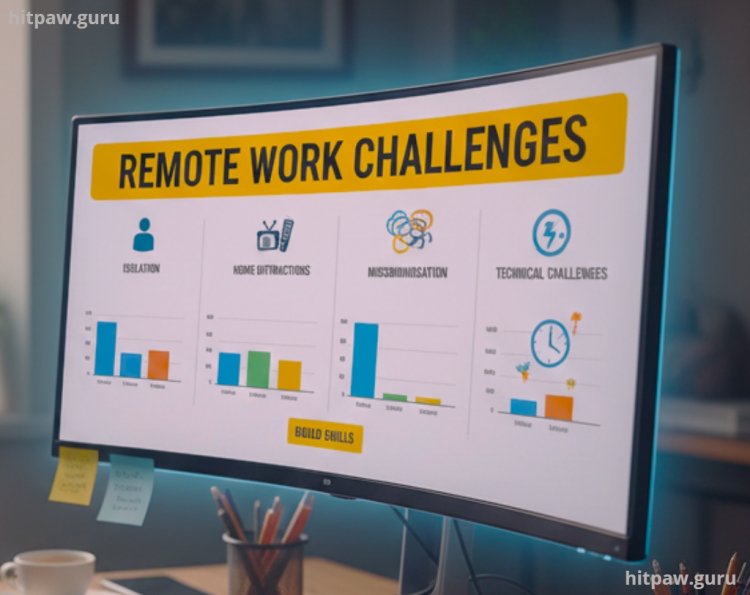
The Common Pain Points I Face
Starting remote work felt like freedom at first, but I quickly ran into several challenges:
Isolation: Without colleagues around, I sometimes felt disconnected from the team and the company culture.
Distractions at Home: It’s easy to procrastinate when your workspace is just a few steps from your bedroom or kitchen.
Miscommunication: Written communication often led to misunderstandings and delays.
Time Management Issues: Flexible schedules were great, but they also made it easy to overwork or underwork.
Technical Challenges: Poor internet, software problems, and unfamiliar tools slowed me down.
Recognizing these pain points was the first step toward mastering remote work. Once I understood the hurdles, I could start building the skills that truly matter.
Materials That Made a Difference
Having the right setup is crucial. Here’s what I used:
Laptop: I chose a lightweight laptop with 16GB RAM and SSD storage for speed and multitasking.
Headphones: Noise canceling headphones helped me focus during work hours and virtual meetings.
Reliable Internet: A 100 Mbps connection ensured video calls and file transfers went smoothly.
Task Management Software: I used Trello and Asana to track daily tasks and deadlines.
Communication Tools: Slack for quick team communication, Zoom for meetings, and email for formal communication.
Ergonomic Desk & Chair: Investing in a proper desk setup improved focus and reduced fatigue.
Time Tracker: Toggl helped me understand how long each task took, allowing better planning.
These tools were not optional they were foundational to building the skills I needed.
Step 1: Mastering Self Discipline
Self discipline is the backbone of remote work. Without a manager physically present, it’s easy to get distracted or procrastinate. Here’s how I approached it:
Set a Routine: I established fixed working hours. Even though remote work is flexible, having structure helped me stay accountable.
Create a Dedicated Workspace: Working from a specific corner of my room trained my brain to focus during work hours.
Break Down Tasks: Large projects felt overwhelming, so I broke them into smaller, manageable pieces.
Avoid Multitasking: I focused on one task at a time, using the Pomodoro technique to stay productive.
Daily Reviews: At the end of each day, I reviewed completed tasks and adjusted tomorrow’s plan.
Self discipline isn’t innate it’s developed through habit. My productivity skyrocketed once I treated remote work like a real job, not just flexible lounging.
Step 2: Communication Skills Are Everything
When you’re not in the office, communication becomes your lifeline. I had to learn how to clearly express ideas, provide updates, and handle misunderstandings all in written and virtual formats.
Be Clear and Concise: I learned to keep messages short but detailed enough to avoid confusion.
Use Visuals: Screenshots, videos, and diagrams often conveyed ideas faster than text.
Set Expectations: Deadlines, deliverables, and meeting times were explicitly stated.
Active Listening in Virtual Meetings: I took notes, asked questions, and confirmed understanding.
Regular Check: I scheduled weekly or biweekly syncs with my team to ensure alignment.
Improving communication reduced friction, increased efficiency, and built trust with remote colleagues.
Step 3: Time Management & Prioritization
Remote work can blur the lines between personal life and work hours. Time management became one of the most critical skills.
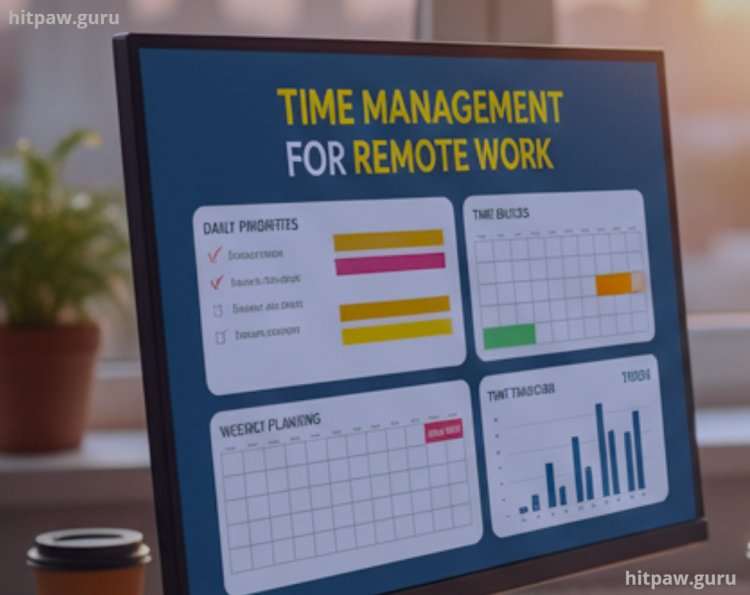
Daily Priorities: I listed the three most important tasks (MITs) each day.
Use Time Blocks: Scheduling specific hours for focused work, meetings, and breaks helped me stay organized.
Avoid Overcommitting: I learned to estimate realistic timelines and say no when needed.
Weekly Planning: Sunday evenings became my planning session to ensure the week was structured.
Track Time: Using Toggl, I discovered which tasks consumed most of my energy and adjusted accordingly.
Effective time management not only improved output but reduced stress, allowing me to maintain a sustainable work pace.
Step 4: Technical Competency
Remote work heavily depends on digital tools. Developing technical skills was non negotiable.
Software Proficiency: I mastered collaboration tools like Slack, Trello, Zoom, and Google Workspace.
Troubleshooting: Basic skills like resolving connectivity issues, software updates, and cloud storage management saved hours.
Security Awareness: I learned about VPNs, secure passwords, and data protection essential for remote work safety.
Automation: Automating repetitive tasks (emails, scheduling) freed time for high value work.
Being technically competent allowed me to navigate remote workflows confidently and independently.
Step 5: Adaptability & Problem Solving
Remote work requires flexibility. Things don’t always go as planned, from sudden software outages to unexpected personal commitments.
Stay Calm: I trained myself to approach problems methodically rather than panicking.
Seek Solutions: Online resources, forums, and colleagues became my go to problem solving partners.
Adjust Priorities: I reprioritized tasks when deadlines shifted or unexpected issues arose.
Learn From Mistakes: Each failure became a lesson in improving workflow and processes.
Adaptability transformed challenges into opportunities to grow and strengthen my remote work skills.
Step 6: Building Work Life Balance
Remote work can blur boundaries between work and personal life. I realized that balance was essential to prevent burnout.
Fixed Start and End Times: I treated work hours as sacred.
Breaks Are Non Negotiable: Short walks, meals, and exercise sessions rejuvenated me.
Disconnect After Hours: I avoided checking emails outside work hours to maintain mental health.
Personal Projects: Engaging in hobbies kept my mind refreshed and creativity high.
Balancing work and life didn’t just improve productivity it increased long term satisfaction and motivation.
Step 7: Continuous Learning & Skill Development
Remote work requires staying updated with tools, trends, and new skills.
Online Courses: I completed certifications on digital marketing, project management, and productivity tools.
Webinars & Workshops: Participating in live sessions provided real time learning and networking.
Reading & Research: Industry blogs, case studies, and reports helped me stay ahead.
Experimentation: I tried new software and strategies to find what improved efficiency.
Investing in ongoing skill development kept me competitive and confident in the remote work world.
Real Life Practical Examples & Feedback
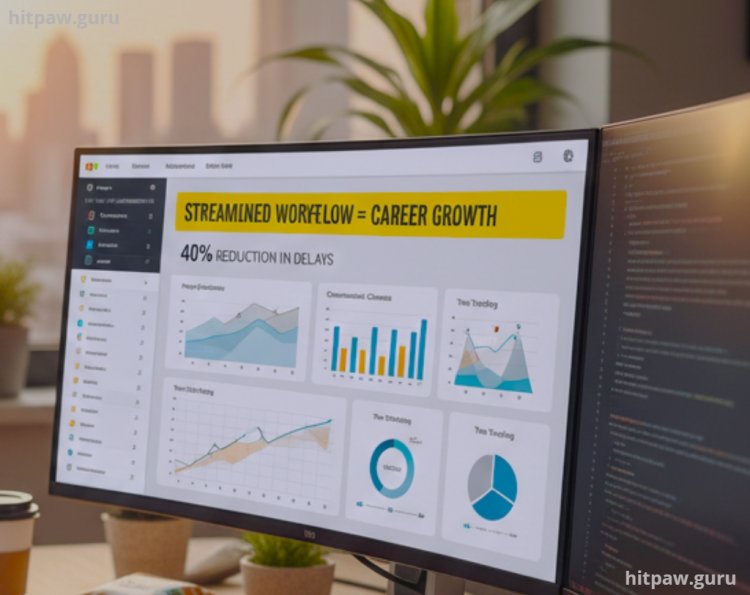
I remember one project where my team was spread across three countries. Initially, tasks were overlapping, and deadlines were missed. By implementing clear communication channels, prioritization, and time tracking, we reduced delays by 40% in just two months.
Peers noticed the change, appreciating my ability to coordinate smoothly. Managers also trusted me with larger responsibilities because my workflow became predictable and efficient. These experiences reinforced that mastering these skills directly impacts career growth in remote settings.
Tip From My Experience
Focus on small daily habits instead of large, overwhelming goals. For example:
Review tasks every morning.
Respond to messages in blocks instead of constantly.
Dedicate 30 minutes weekly to learn a new tool or shortcut.
Consistency compounds over time, turning remote work from stressful to second nature.
Final Considerations
Remote work is more than a trend it’s a skill set that will define the future of work. My journey taught me that success comes from discipline, effective communication, technical mastery, adaptability, and continuous learning. By focusing on practical habits and actionable skills, I transformed remote work from a challenge into an opportunity.
Master these essential skills, and remote work won’t just be feasible it will be empowering, productive, and sustainable.
Quick Answers About Remote Work
Q1: Can anyone succeed in remote work?
Yes, most people can succeed, but it requires self discipline, strong communication skills, and the ability to manage time effectively. Those who adapt their routines and build good habits tend to perform best.
Q2: How do I stay productive at home?
Productivity comes from creating a dedicated workspace, setting clear working hours, prioritizing tasks daily, and minimizing distractions. Tools like task managers, calendars, and time trackers can help a lot.
Q3: How can I avoid feeling isolated while working remotely?
Regular check via video calls, participating in team chats, and scheduling occasional in person meetups or coworking sessions help maintain social interaction and team connection.
Q4: How do I maintain work life balance?
Set clear boundaries: define work hours, take regular breaks, and separate your workspace from your living area. Having a structured routine reduces stress and prevents burnout.
Q5: How can I improve remote collaboration?
Clear communication, using collaborative platforms, and frequent status updates are crucial. Sharing documents in real time and maintaining accountability ensures the team stays aligned.
Q6: What challenges should I expect in remote work?
Common challenges include distractions at home, feeling isolated, overworking, and miscommunication. Recognizing these early allows you to implement solutions like structured schedules, team check, and time management strategies.
Q7: How do companies monitor remote employees effectively?
Companies often rely on project progress, deliverables, and task tracking rather than micromanagement. Transparent goals, regular reporting, and performance metrics help ensure accountability without intruding on autonomy.
What's Your Reaction?